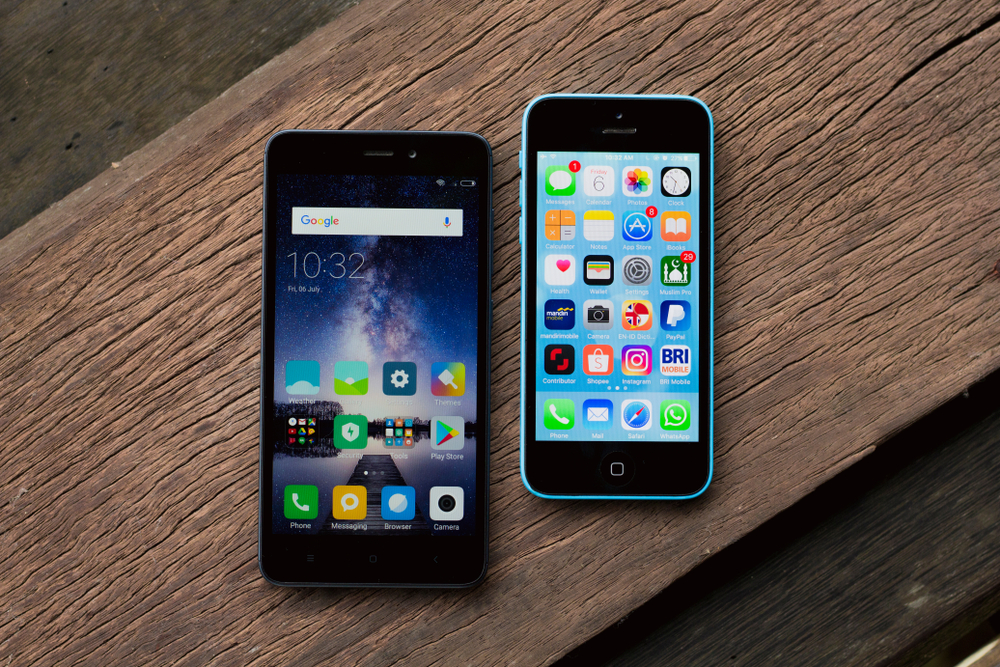
Mobile apps have become an integral part of our daily lives. With millions of apps available across various platforms, the competition to stand out and attract users can be daunting. Effective mobile app marketing is crucial for success in this highly competitive landscape. In this article, we will explore expert tips and tricks to help you master mobile app marketing and achieve successful promotion.
1. Define Your Target AudienceKnowing your target audience is the first step in any successful marketing campaign, and mobile Android or iOS app s are no exception. Understanding the demographics, preferences, and behaviors of your potential users will enable you to create tailored marketing strategies that resonate with them. Conduct market research, analyze user data, and use tools like Google Analytics to gain insights into your target audience.
2. Optimize Your App Store Presence
App store optimization (ASO) plays a significant role in app marketing. Your app's visibility within the app store directly impacts its discoverability and downloads. To optimize your app store presence, focus on the following elements:
a) App Choose a clear and descriptive title that includes relevant keywords related to your app's niche.
b) App Description: Craft a compelling and concise description that highlights your app's unique features and benefits. Incorporate relevant keywords naturally.
c) App Icon: Design an eye-catching and memorable app icon that represents your brand and attracts attention in the app store.
d) Screenshots and Videos: Use high-quality screenshots and videos to showcase your app's user interface and functionality. Highlight the key features and benefits to entice potential users.
e) Ratings and Reviews: Encourage satisfied users to leave positive reviews and ratings, as they significantly impact your app's credibility and visibility within the app store.
3. Invest in App Store AdvertisingApp store advertising allows you to reach a wider audience and increase your app's visibility. Consider investing in app store ads, such as Apple Search Ads and Google App Campaigns, to promote your app directly within the app store search results. These ads can help drive targeted user acquisition and boost app downloads.
4. Leverage Social Media Marketing
Social media platforms provide a powerful means to connect with your target audience and generate buzz around your mobile Google Play or App Store app . Create engaging social media content that showcases your app's unique value and encourages users to download and share it. Leverage both organic and paid social media campaigns to reach a larger audience and drive app installs. Collaborate with influencers and brand ambassadors to further amplify your app's reach and credibility.
5. Implement App Deep Linking
Deep linking allows you to drive users directly to specific pages or content within your app, even if the app is not installed on their device. Incorporate deep linking strategies in your app marketing campaigns to provide a seamless user experience and increase user engagement. Deep linking also enables you to track and analyze user behavior effectively.
6. Utilize Push Notifications
Push notifications are a powerful tool to engage and retain users. Strategically leverage push notifications to deliver relevant and personalized content, such as app updates, promotions, and reminders. However, ensure you strike the right balance and avoid excessive or irrelevant notifications, which can lead to user frustration and app uninstalls.
7. Tap into Influencer Marketing
Influencer marketing has gained immense popularity in recent years. Collaborating with influencers relevant to your app's niche can help generate awareness and drive app downloads. Identify influencers with a significant following and engage them to promote your app through sponsored posts, reviews, or contests. Their endorsement can enhance your app's credibility and attract new users.
8. Foster User Engagement and Retention
User engagement and retention are vital for the long-term success of your mobile iOS or Android app . Regularly update and improve your app based on user feedback and preferences. Encourage user participation through gamification, loyalty programs, and exclusive rewards. Implement features like in-app messaging and email marketing to keep users informed about new updates, features, and promotions.
Frequently Asked Questions:
Q1: How long does it take to see the results of mobile app marketing efforts?A1: The timeline for seeing results varies depending on various factors, including your app's niche, competition, marketing strategies, and budget. While some app marketing efforts can yield immediate results, others may require consistent and long-term efforts to drive significant downloads and user engagement.
Q2: Is app store advertising worth the investment?
A2: App store advertising can be a worthwhile investment if done strategically. It allows you to target users actively searching for apps similar to yours and increases your app's visibility within the app store. Assess your budget, goals, and competition to determine whether app store advertising aligns with your marketing strategy.
Q3: How can I measure the success of my mobile App Store or Google Play app marketing campaigns?
A3: Measuring the success of your app marketing campaigns requires tracking relevant key performance indicators (KPIs) such as app downloads, user engagement, retention rate, in-app purchases, and revenue generated. Utilize analytics tools and app store metrics to monitor and analyze these metrics, allowing you to optimize your marketing strategies for better results.
Q4: Can I promote my app without a big marketing budget?
A4: Yes, it is possible to promote your app effectively without a large marketing budget. Leverage organic social media campaigns, content marketing, influencer collaborations, and other cost-effective tactics to increase your app's visibility and attract users. Focus on building a strong brand and creating valuable content that engages your target audience.
Q5: What are some best practices for app store optimization (ASO)?
A5: Some best practices for app store optimization include conducting keyword research, integrating keywords naturally into your app's title and description, using high-quality visuals to showcase your app, regularly updating your app's metadata based on user feedback, and monitoring your app's performance within the app store through relevant analytics tools.
In conclusion, mastering mobile app marketing requires a combination of strategic planning, creativity, and continuous optimization. By defining your target audience, optimizing your app store presence, leveraging social media marketing, and implementing various promotional techniques, you can increase your app's visibility, attract users, and achieve long-term success. Stay updated with the latest trends and continuously adapt your marketing strategies to stay ahead in this fast-paced industry.
Other useful resources
- https://www.appguru24.com/android-app-promotion/
- https://www.appguru24.com/services/app-development/
- https://www.appguru24.com/ios-app-promotion/